Our location and hours
We see high-risk breast cancer patients located within the Telfair Breast Surgery office.
The genetic counseling office is located on the third floor of the LCRP, past registration.

It’s a fact that when breast cancer is found early, survival rates are higher. The Lewis Cancer & Research Pavilion is taking steps to identify patients that may be at more risk of one day developing breast cancer with a goal to catch it early when it’s more curable.
Twelve percent of women will develop breast cancer in their lifetime. It is the most common cancer in American women (not including skin cancer). About one in eight women will be diagnosed with breast cancer.
Annual mammograms can help detect breast cancer earlier, leading to less aggressive treatment and a higher rate of survival. However, some women may be identified as high risk for breast cancer and can benefit from supplemental screening, management planning and genetic counseling – all of which we do at St. Joseph’s/Candler and the LCRP.
How do you know if you are high-risk? The cause of breast cancer is often unknown. However, some factors, like family history, genetics or breast density may raise your unique risk. Based on annual screening, family history and a risk assessment, called Cancer IQ, you may want to consider increased breast screening with MRI or ultrasound and genetic counseling.
If you’d like a breast consultation with a member of our breast care team, call 912-819-7630.
Patients who currently get mammograms at the Telfair Pavilion will be asked to complete our Cancer IQ assessment. This will result in your Tyrer-Cuzick score. That is a score that incorporates a set of risk factors to assess a women’s 10 year and lifetime risk of developing breast cancer. It includes:
Your score is calculated based on the responses given while completing our Cancer IQ assessment. The assessment will assist the radiologist during their interpretation of your mammogram. Based on all these factors, you may be referred to our high-risk breast management program.
This includes a team, including a dedicated nurse practitioner, that work with women identified as high-risk for breast cancer. Together, you can develop an action plan. Discussing your risk with a trained provider can help you make informed decisions about your health. Together, you’ll:
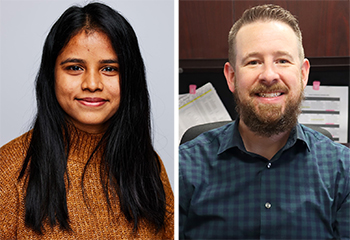
Part of the management program may include genetic counseling. The LCRP has two dedicated genetic counselors, Jacob South, MS, CGC, manager of Genetic Counseling at the LCRP, and Mugdha Devalkar, MS, GC.
Your genetic counseling team will develop a personalized cancer prevention plan based on your unique medical history, family history and lifestyle. Genetic testing may be recommended, but is not required.
Learn more about genetic counseling
We see high-risk breast cancer patients located within the Telfair Breast Surgery office.
The genetic counseling office is located on the third floor of the LCRP, past registration.